Hugo Schulz · 2 September 2026
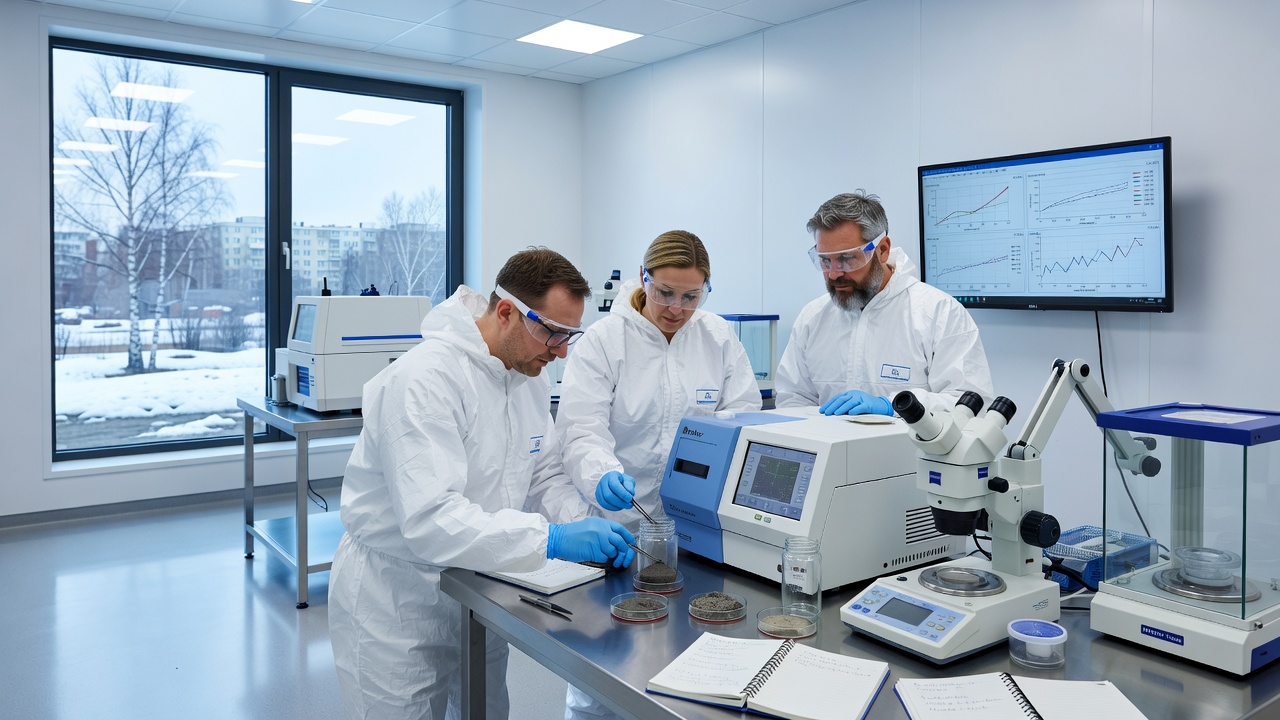
Researchers at the Warsaw University of Technology have developed refined protocols for examining lunar regolith samples, enhancing precision in mineral identification and chemical composition assessment. The team integrated portable X-ray fluorescence devices with custom algorithms to process data from simulated lunar materials provided by international partners.
Refined Analytical Protocols
Traditional methods often required extensive sample preparation and laboratory infrastructure. The new approach reduces preparation time by 40 percent while maintaining accuracy above 95 percent for key elements such as titanium, iron, and rare earth metals. Laboratory tests conducted over 18 months compared results against Apollo mission archives, confirming consistent readings across multiple grain sizes. Graduate students contributed by calibrating sensors for vacuum conditions that mimic the lunar surface environment. Data from these trials indicate improved detection of volatile compounds that may support future in-situ resource utilization efforts.
Broader Mission Applications
Project leads emphasize potential contributions to upcoming Artemis program landings and European Space Agency exploration roadmaps. The techniques allow rapid on-site analysis during robotic traverses, minimizing the need to return large sample volumes to Earth. Collaborative workshops held in Krakow trained 25 international scientists on the software tools. Funding from the Polish National Centre for Research and Development supports further miniaturization of hardware for integration into lunar rovers. Continued validation against meteorite analogs is scheduled through 2026 to ensure robustness under varied illumination and temperature extremes.