Jonas Carter · 9 October 2026
Global Collaboration Sets New Protocols for Lunar Sample Exchange
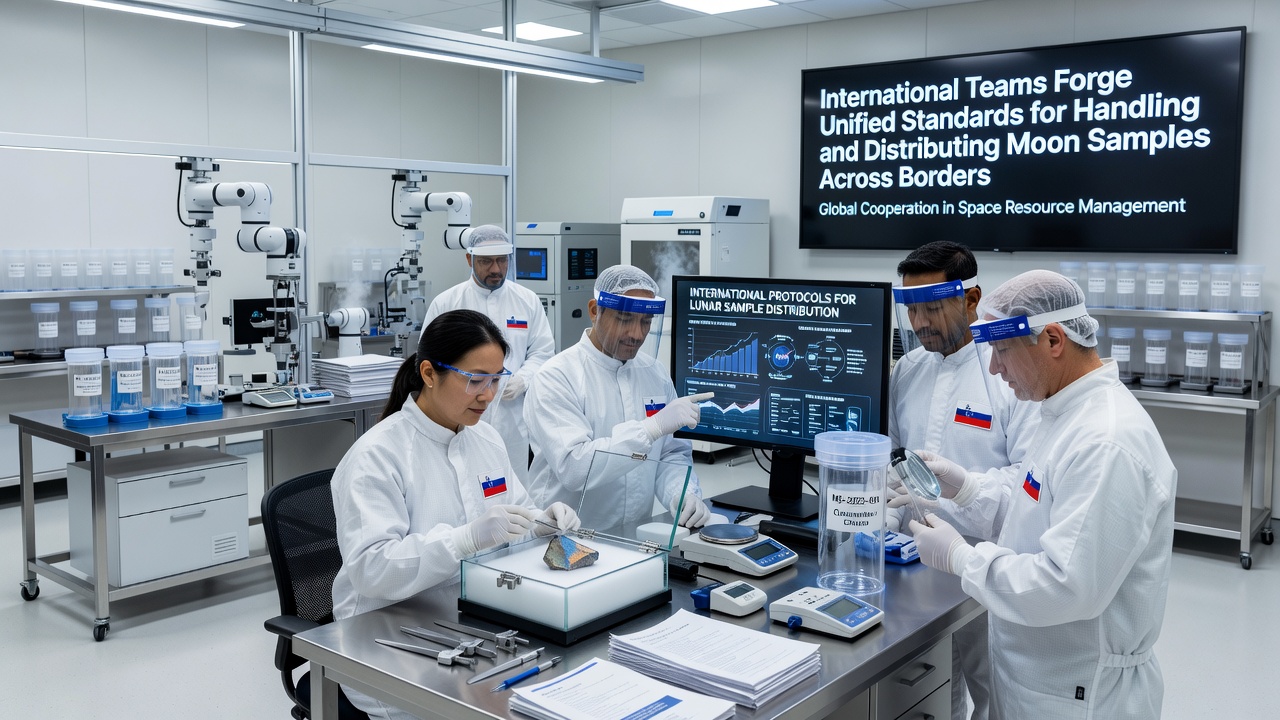
Space agencies and research institutions from multiple continents have developed shared guidelines for managing lunar materials returned by robotic and crewed missions, with the framework addressing contamination control, chain of custody documentation, and equitable allocation among partner nations.
Teams representing NASA, the European Space Agency, JAXA, and additional organizations completed the core document during sessions held in October 2026, building on earlier bilateral agreements while expanding participation to include emerging space programs from Canada and Australia.
Background on Sample Collection and Return Missions
Multiple missions have retrieved lunar regolith and rock specimens since the Apollo era, yet each agency historically maintained separate handling procedures that complicated joint studies; data from recent sample returns indicate that standardized methods now reduce cross-contamination risks by measurable margins according to reports from the NASA Lunar Sample Laboratory.
Observers note that earlier collections totaled several hundred kilograms, whereas current plans project additional returns exceeding prior volumes, which in turn requires coordinated distribution to prevent duplication of research efforts across laboratories worldwide.
Key Elements of the Unified Standards
The protocols establish uniform packaging requirements using sealed containers rated for both vacuum and terrestrial transport, while mandating digital tracking systems that log every transfer from recovery site through final analysis; researchers discovered these measures cut documentation errors during simulated exercises conducted last year.
Allocation formulas prioritize scientific merit and geographic diversity, ensuring institutions in smaller partner nations receive portions suitable for specialized testing, and figures released by ESA show that previous ad-hoc sharing sometimes left certain regions with limited access.
Implementation Timeline and October 2026 Milestones
During the October 2026 meetings, delegates ratified inspection checklists for receiving facilities and agreed on training modules for curators; these sessions also produced templates for material transfer agreements that participating governments can adapt without lengthy renegotiation.
Testing of the new chain-of-custody software begins in early 2027 at selected facilities, and preliminary results from pilot runs suggest faster verification times compared with legacy paper-based systems.
Technical Requirements for Cross-Border Transport
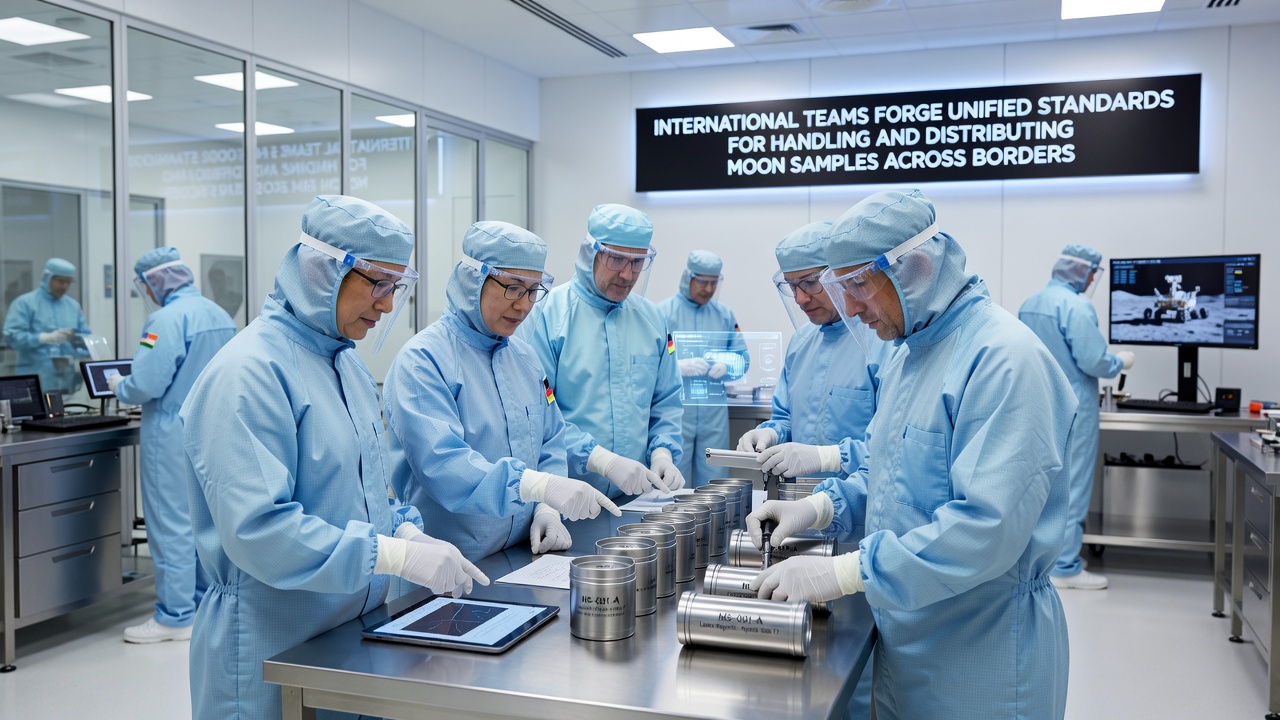
Shipping containers must maintain internal pressure and temperature ranges verified through independent calibration, and customs documentation now incorporates standardized hazard classifications accepted by aviation authorities in North America, Europe, and the Asia-Pacific region; this harmonization reduces delays that previously extended transit times by weeks.
Quarantine procedures at destination laboratories follow a common sequence of visual inspection, mass measurement, and initial spectrometry before subsamples are released for broader distribution, with the sequence designed to flag any anomalies within the first 48 hours of arrival.
Research Institutions and Geographic Distribution
Universities and government laboratories across continents have begun aligning their equipment calibration schedules to match the new guidelines, and one Australian facility reported successful integration of the digital tracking platform during a recent inter-agency drill.
Canadian researchers contributed protocols for handling volatile compounds detected in polar samples, while European teams supplied data on long-term storage stability under varying humidity conditions; these inputs appear in the final standards document released after the October 2026 gathering.
Conclusion
The unified framework now guides sample handling from recovery through final distribution, with participating agencies scheduled to review compliance metrics annually and adjust procedures based on operational feedback collected during actual mission returns.